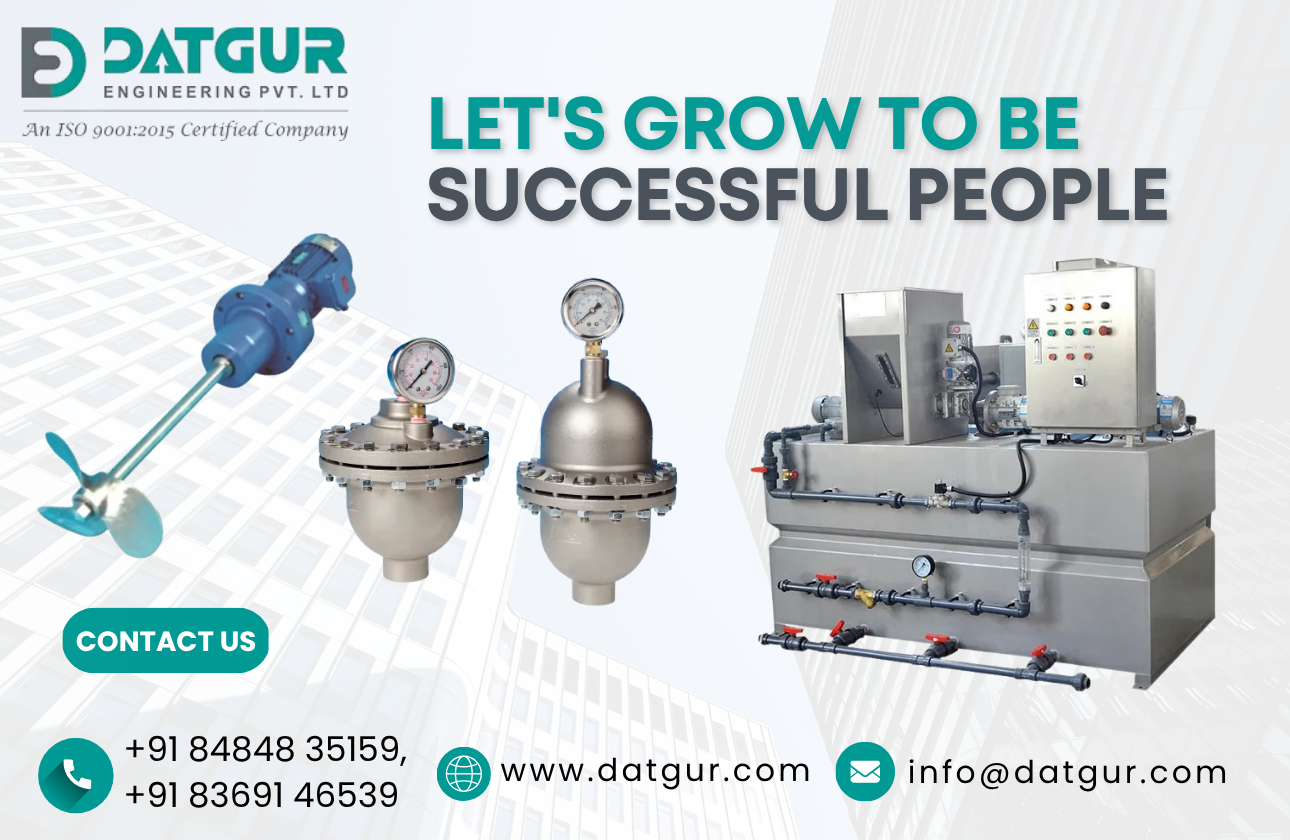
Introduction to Flocculant Automatic Dosing Systems
The future of water purification is evolving, and the Flocculant Automatic Dosing System is at the forefront of this transformation. These systems are designed to optimize the flocculation process, ensuring precise dosing that enhances water clarity and quality. As environmental regulations become more stringent, the demand for efficient and automated solutions like these is on the rise.
Technological Advancements in Dosing Systems
Recent technological advancements have significantly improved the efficiency of flocculant dosing systems. Modern systems are equipped with sensors and smart technology, allowing for real-time monitoring and adjustments. This ensures that the optimal amount of flocculant is always used, reducing waste and improving the overall efficacy of water treatment processes.
The Role of AI and Machine Learning
Artificial Intelligence (AI) and Machine Learning (ML) are playing pivotal roles in the development of these systems. By analyzing large datasets, these technologies can predict the best dosing strategies under varying conditions, enhancing the efficiency of water purification processes. This capability not only saves resources but also ensures compliance with environmental standards.
Sustainability and Environmental Impact
Sustainability is a key trend driving the innovation of flocculant automatic dosing systems. The industry is focused on reducing chemical usage and minimizing environmental footprints. By optimizing the dosing process, these systems contribute to cleaner water and a healthier ecosystem, aligning with global sustainability goals.
Future Innovations in System Design
The future of flocculant automatic dosing systems lies in their design and integration with other technologies. Innovations are expected to focus on modular systems that can be easily adapted to different water treatment plants. Such flexibility will allow for more widespread adoption and customization according to specific needs.
Challenges and Opportunities
While the prospects for flocculant automatic dosing systems are promising, challenges such as high initial costs and the need for skilled operators remain. However, these challenges also present opportunities for companies to develop cost-effective solutions and training programs that will facilitate broader implementation.
Conclusion
In conclusion, the future of flocculant automatic dosing systems is bright, with numerous advancements making them more effective and sustainable. As these systems continue to evolve, they will play a crucial role in avoiding common mistakes in dosing and ensuring the efficient purification of water, essential for both the environment and public health.
FAQ
1. What are flocculant automatic dosing systems?
Flocculant automatic dosing systems are advanced technologies that automate the dosing of chemical agents, called flocculants, to enhance water purification processes.
2. How do these systems improve water purification?
They optimize the amount of flocculant used, ensuring effective coagulation and sedimentation, which results in clearer and cleaner water.
3. What role does AI play in these systems?
AI and Machine Learning analyze data to determine optimal dosing strategies, improving efficiency and adapting to changing conditions.
4. Why is sustainability important in dosing systems?
Sustainability minimizes environmental impact by reducing chemical use and ensuring responsible waste management in water treatment.
5. What are the challenges facing these systems?
Challenges include the high initial cost of systems and the necessity for skilled operators, but they also present opportunities for innovation and growth.