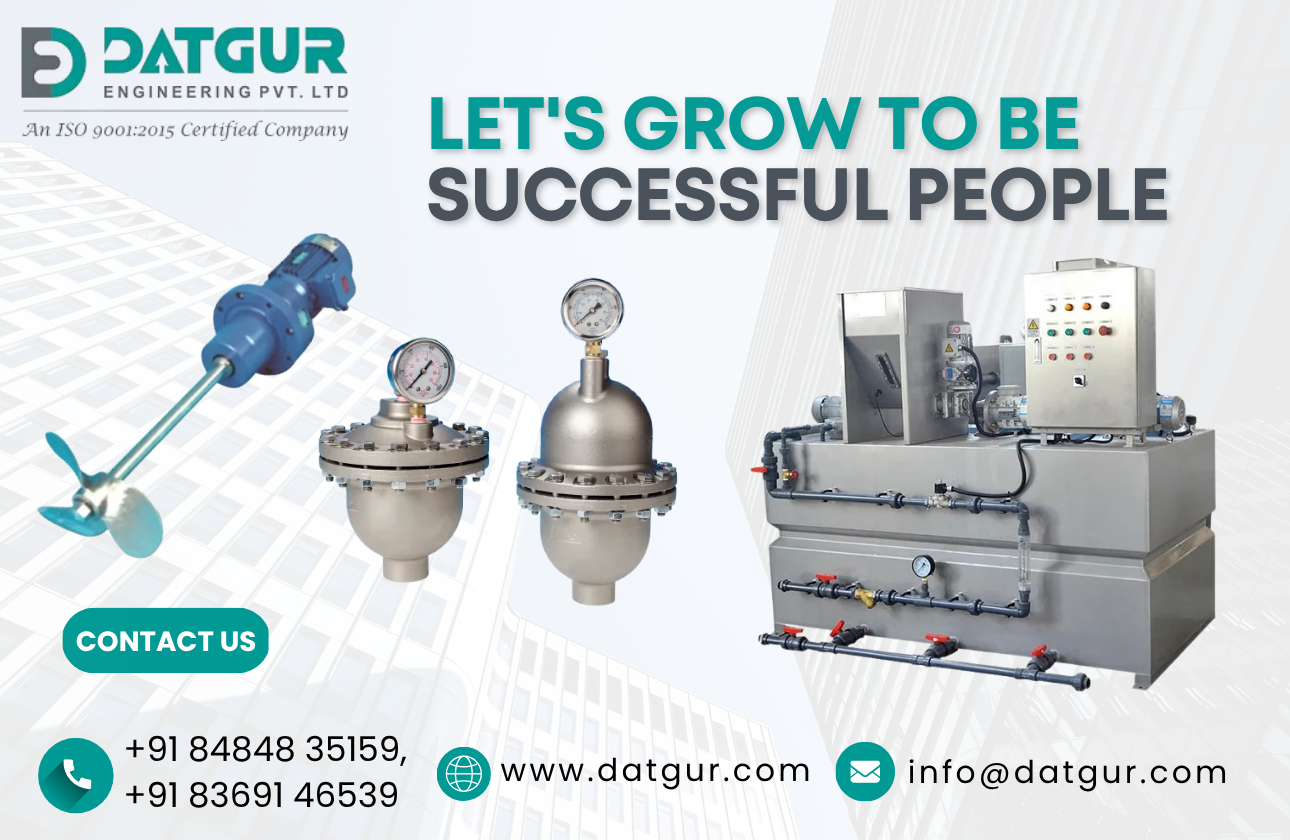
Understanding the Flocculant Automatic Dosing System
The Flocculant Automatic Dosing System is crucial in water treatment processes. It ensures the correct amount of flocculant is introduced to the system to enhance the aggregation of particles, making them easier to remove. However, many operators face challenges in optimizing these systems due to common mistakes. Understanding the setup, calibration, and operational guidelines can significantly improve efficiency and reduce costs.
Incorrect Calibration of Equipment
One of the most prevalent mistakes is the incorrect calibration of the dosing equipment. Calibration ensures the system dispenses the right amount of flocculant. If not correctly calibrated, it can lead to either overdosing or underdosing. Overdosing can cause excessive chemical use, increasing operational costs, while underdosing may lead to ineffective treatment, resulting in poor water quality.
Neglecting Regular Maintenance
Regular maintenance of the dosing system is essential to its optimal performance. Neglecting maintenance can lead to equipment failure and inefficient dosing. It is vital to schedule routine checks and replace any worn-out parts to ensure the system runs smoothly. Regular maintenance not only extends the lifespan of the equipment but also enhances the reliability of the water treatment process.
Failing to Monitor Water Quality
Monitoring water quality is crucial to adjusting the flocculant dosing appropriately. Operators should regularly test water samples to assess the effectiveness of the treatment. This monitoring helps in making necessary adjustments to the dosing levels, ensuring the water treatment process remains efficient and effective.
Ignoring Environmental Factors
Environmental factors such as temperature and pH levels can significantly impact the performance of the flocculant dosing system. Ignoring these factors can lead to suboptimal dosing and poor water treatment results. Operators must consider these variables and adjust the dosing system accordingly to maintain effective treatment.
Overlooking Training and Expertise
Proper training and expertise are crucial for operators handling the flocculant dosing system. Overlooking this aspect can lead to operational errors and inefficiencies. Providing adequate training ensures that operators understand the system's intricacies and can troubleshoot any issues that arise, thereby optimizing performance.
FAQs
1. What is the purpose of a flocculant dosing system?
The purpose is to accurately introduce flocculants into a water treatment system to enhance the aggregation of particles for easier removal.
2. How often should a dosing system be calibrated?
Calibration should be performed regularly, ideally as part of a scheduled maintenance plan, to ensure optimal performance.
3. What environmental factors affect dosing systems?
Temperature and pH levels are critical environmental factors that can impact the system's effectiveness.
4. Why is regular maintenance important?
Regular maintenance prevents equipment failure, prolongs the system's lifespan, and ensures efficient dosing.
5. How can training improve dosing system operation?
Training equips operators with the knowledge to manage the system effectively, troubleshoot issues, and optimize performance.