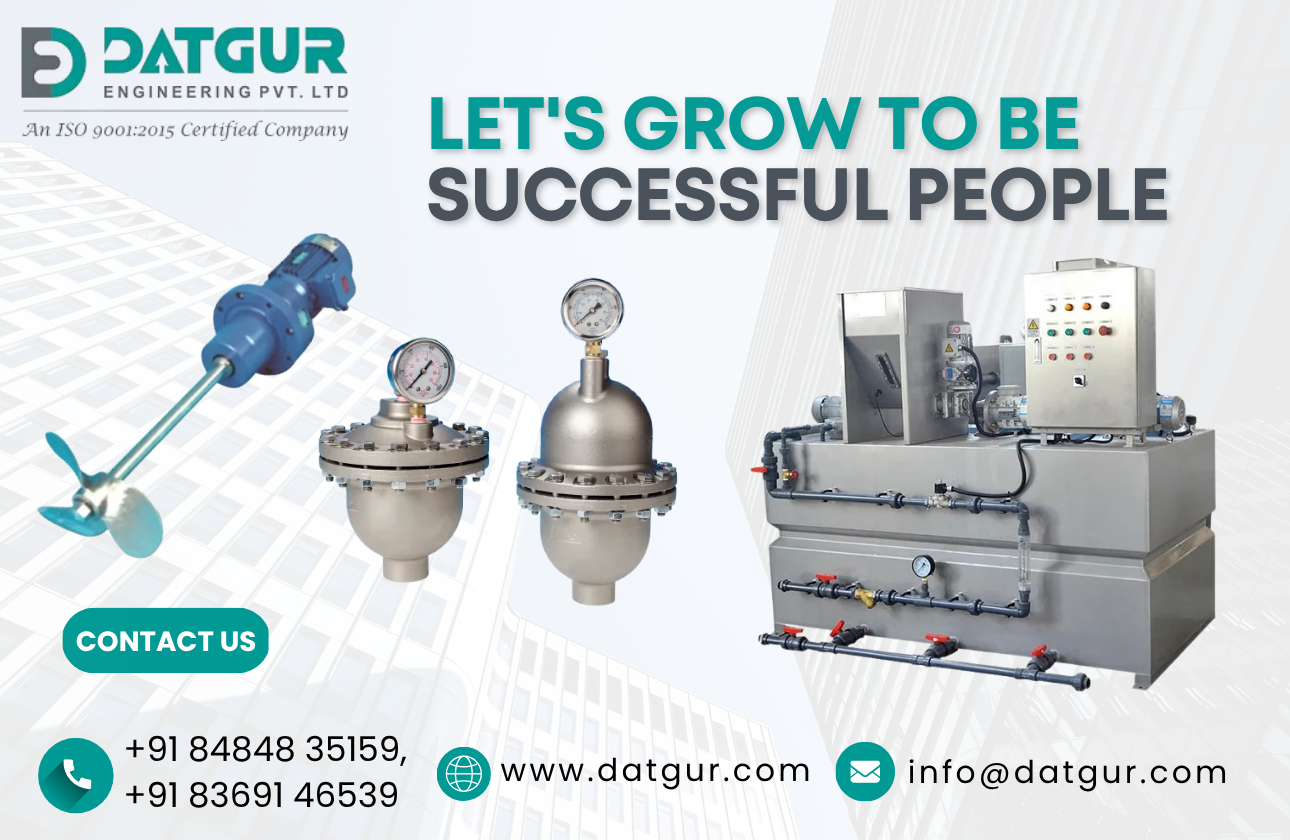
Introduction to Flocculant Dosing Systems
Flocculant dosing systems play a vital role in water purification by efficiently removing impurities. These systems introduce flocculants, which are chemical agents that help in clumping together suspended particles in water. This process is crucial for ensuring clean and safe water. By understanding the mechanics of these systems, industries can significantly enhance their water treatment processes.
The Importance of Effective Dosing
Effective dosing in flocculant systems is essential for maintaining the balance between cost and performance. Accurate dosing ensures optimal flocculation, which leads to better water clarity and quality. Overdosing or underdosing can result in inefficiencies and increased operational costs. Thus, precise dosing mechanisms are critical for maximizing the benefits of flocculant systems.
The Role of Flocculant Automatic Dosing System
A Flocculant Automatic Dosing System is designed to automate the dosing process, ensuring accurate and consistent application of flocculants. This automation minimizes human error and optimizes the purification process. By continuously monitoring water quality, these systems adjust dosing levels in real-time, leading to enhanced efficiency and reduced waste.
Advantages of Automation in Dosing Systems
Automation in flocculant dosing systems offers several advantages. It reduces manual intervention, which not only lowers labor costs but also minimizes the risk of human error. Automated systems enhance the precision of dosing, leading to better treatment outcomes. Additionally, they provide valuable data insights that can be used to further optimize processes and refine treatment strategies.
Common Mistakes in Flocculant Dosing Systems
Despite their effectiveness, there are common mistakes associated with flocculant dosing systems that can hinder performance. Understanding these pitfalls is crucial for maximizing system efficiency. For more insights on avoiding these errors, explore Common Mistakes in Flocculant Dosing Systems.
Implementing a Flocculant Dosing System
Implementing a flocculant dosing system requires careful planning and consideration of various factors, including the type of water being treated and the specific flocculants used. It is essential to tailor the system to the needs of the facility to achieve optimal results. By doing so, industries can ensure that their water purification processes are as efficient and effective as possible.
FAQs
1. What is a flocculant dosing system used for?
Flocculant dosing systems are used to introduce flocculants into water, aiding in the removal of suspended particles and impurities during the purification process.
2. How does an automatic dosing system improve efficiency?
An automatic dosing system improves efficiency by automating the adjustment of flocculant levels based on real-time water quality data, reducing human error and optimizing treatment.
3. What are common mistakes in using flocculant dosing systems?
Common mistakes include incorrect dosing levels and improper system calibration. These can result in inefficiencies and increased operational costs.
4. Why is automation beneficial in dosing systems?
Automation is beneficial because it enhances dosing precision, reduces labor costs, and provides valuable data for further optimization of water treatment processes.
5. How do you implement a flocculant dosing system?
Implementing a flocculant dosing system involves selecting the right flocculants, understanding the specific needs of the water treatment process, and tailoring the system to these requirements for optimal performance.