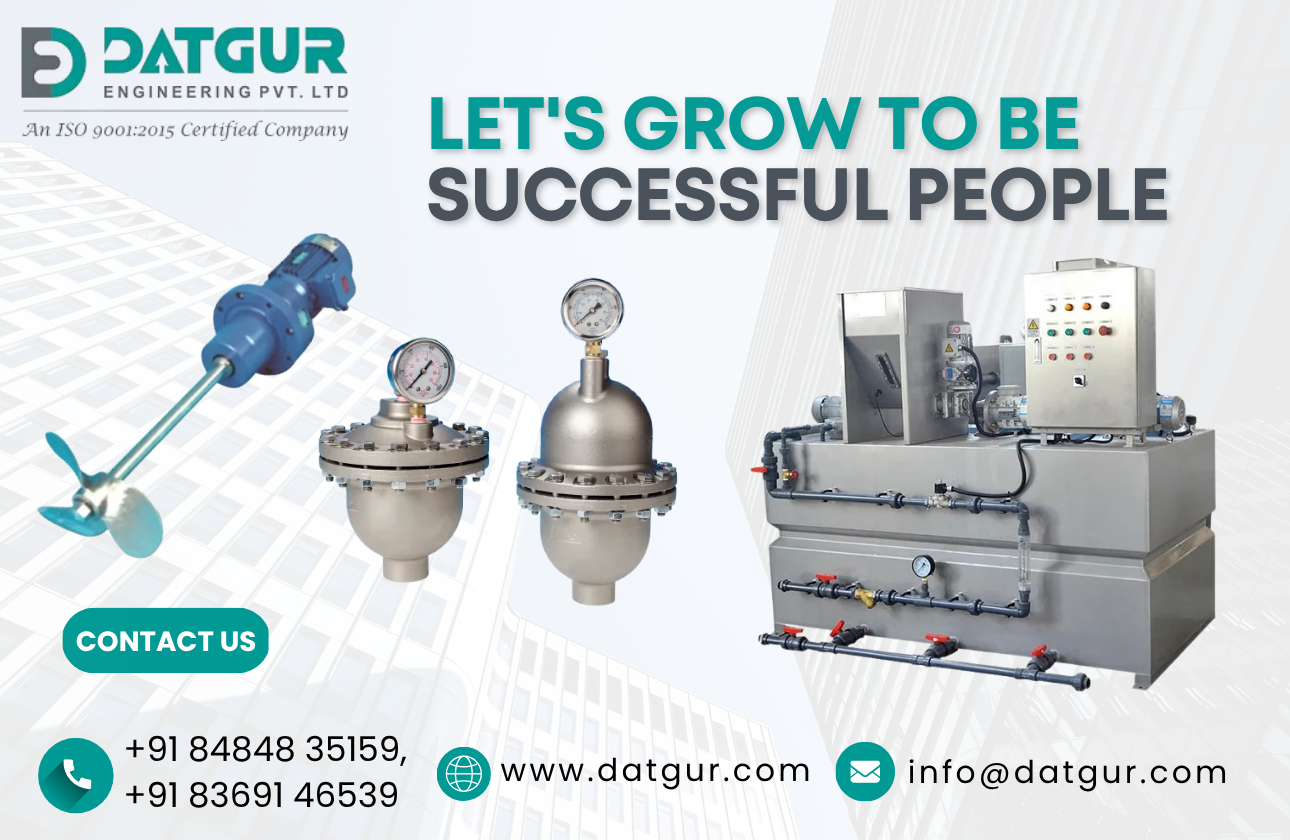
Introduction to Flocculant Dosing Systems
Flocculant dosing systems play a pivotal role in water treatment processes by separating impurities effectively. Understanding how to optimize these systems can lead to significant improvements in water quality and treatment efficiency. The correct use of these systems ensures that water purification processes are both cost-effective and environmentally friendly. For insights into enhancing these systems, explore the efficiency of water purification with flocculant dosing systems.
Benefits of Flocculant Automatic Dosing Systems
The integration of Flocculant Automatic Dosing Systems in water treatment plants offers numerous advantages. These systems provide precise control over chemical dosing, reducing waste and ensuring optimal performance. By automating the dosing process, human error is minimized, leading to more consistent water quality. This automation also allows for real-time adjustments based on water conditions, further enhancing the treatment process.
Enhancing Efficiency with Technology
Advanced technologies play a crucial role in optimizing flocculant dosing systems. Modern systems are equipped with sensors and control mechanisms that adjust the dosing of chemicals based on real-time data. This not only improves the efficiency of the water treatment process but also reduces operational costs. As technology continues to evolve, the future trends in flocculant automatic dosing systems indicate even greater advancements in water treatment optimization.
Common Mistakes to Avoid
Despite their benefits, incorrect use of flocculant dosing systems can lead to inefficiencies. Common mistakes include improper calibration, inadequate maintenance, and incorrect chemical selection. These errors can compromise water quality and increase costs. To avoid such pitfalls, it is essential to adhere to best practices and regularly review system performance. Learn more about common mistakes in flocculant dosing systems and how to avoid them.
Implementing Best Practices
To maximize the benefits of flocculant dosing systems, it is crucial to implement best practices. This includes regular maintenance, proper calibration, and the use of high-quality chemicals. Training personnel on system operation and monitoring performance metrics can also improve efficiency. By following these practices, water treatment facilities can achieve consistent and cost-effective results.
Conclusion
Optimizing water treatment with flocculant dosing systems requires a combination of technology, best practices, and ongoing evaluation. By embracing automation and avoiding common pitfalls, water treatment facilities can significantly enhance their operations. The integration of modern systems not only improves water quality but also reduces environmental impact and operational costs.
FAQs
1. What is a flocculant dosing system? A flocculant dosing system is used in water treatment to separate impurities by adding chemicals that cause particles to clump together for easier removal.
2. Why is automation important in dosing systems? Automation ensures precise control over chemical dosing, reducing errors and improving water quality.
3. How can I avoid common dosing system mistakes? Regular maintenance, proper calibration, and adhering to best practices can help avoid common mistakes.
4. What are the benefits of using advanced technology in dosing systems? Advanced technology improves efficiency, reduces costs, and allows for real-time adjustments based on water conditions.
5. What does the future hold for flocculant dosing systems? The future includes more advanced technologies that will further optimize water treatment processes.